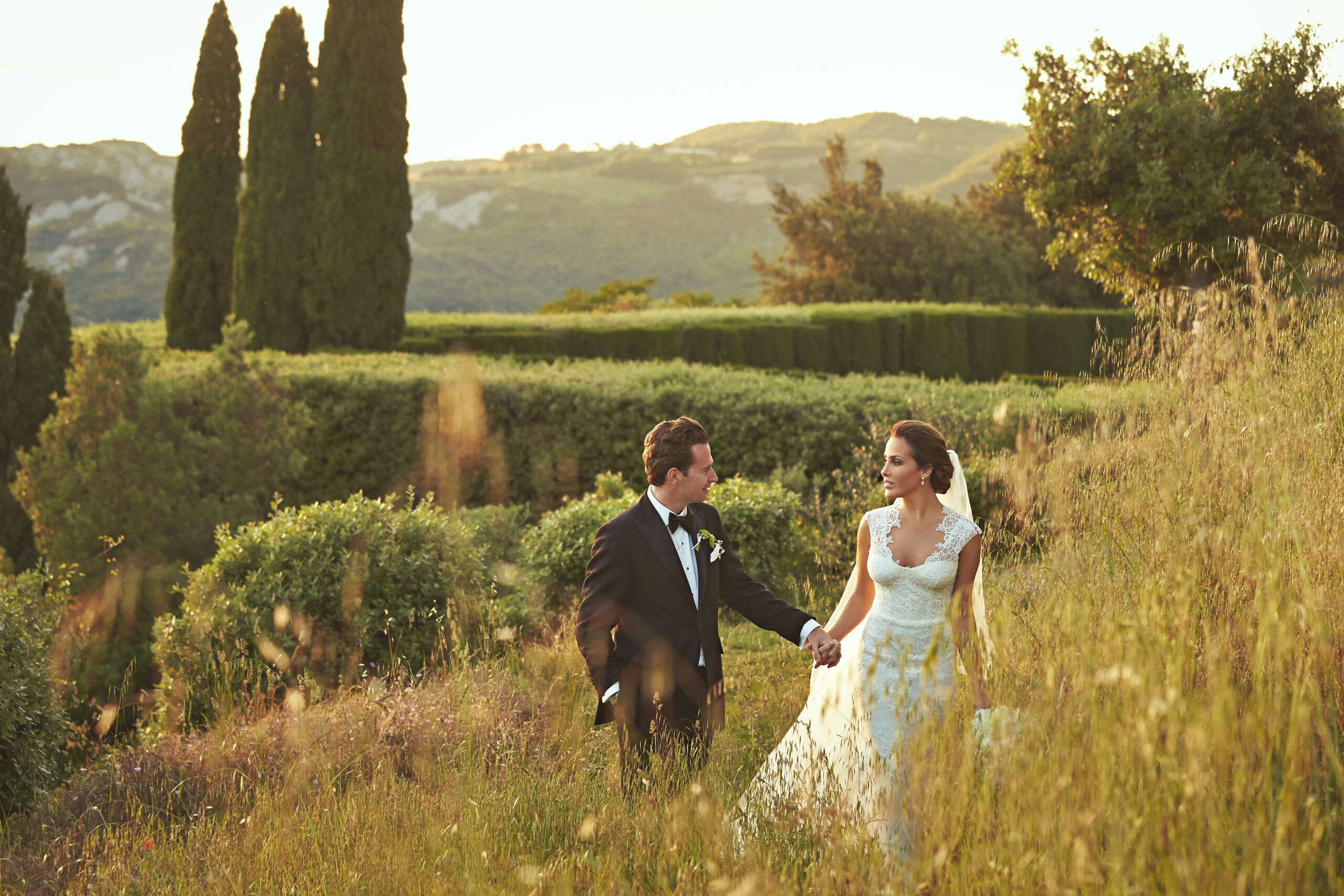
Timing is the first decision that shapes everything else. Before the dress, before the guest list, before the menu, there is the question of when. Knowing when to book a destination wedding is the quiet advantage that separates a smooth celebration from a scramble. It governs the light at your ceremony, the temperature on the terrace, and whether your chosen villa is even available at all.
At Wedaways Travel, we book wedding travel (room blocks, buyouts, and honeymoons) across more than two dozen countries. Consequently, we think about seasons the way a sommelier thinks about vintages. Each region has a window when it performs at its peak. Moreover, each has a moment just before or after that window when the same beauty arrives at a gentler pace and a kinder price. This guide maps those windows, so you can plan with the confidence of an insider.
The stakes are higher than most couples realize. A wedding date is not merely a square on a calendar. Rather, it determines whether your guests sweat through cocktail hour or reach for a wrap at sunset. It decides whether the garden is in bloom or past its prime. Furthermore, it shapes the entire economics of the celebration, from venue rates to flight costs. Get the timing right, and everything downstream becomes easier.
The Two Calendars Every Couple Must Read
There are two timelines at play, and they rarely align. The first is the weather calendar: the months when a destination looks and feels its best. Meanwhile, the second is the booking calendar: how far ahead the finest properties commit their prime dates.
Understanding both is the heart of knowing when to book a destination wedding. A flawless October on the Amalfi Coast does you little good if the villa sold that Saturday eighteen months prior. Therefore, the goal is to identify your ideal season first. Then you reverse-engineer the booking deadline that protects it.
Europe: The Shoulder Seasons Belong to You
Europe rewards couples who resist the obvious. July and August bring heat, crowds, and the highest rates of the year. By contrast, late spring and early autumn deliver the same golden light with room to breathe.
Italy: May, June, September, and October
Italy peaks twice. Late May into June offers long days, blooming gardens, and warm evenings that linger past midnight. September and into October bring the harvest, softer light, and a countryside turning amber.
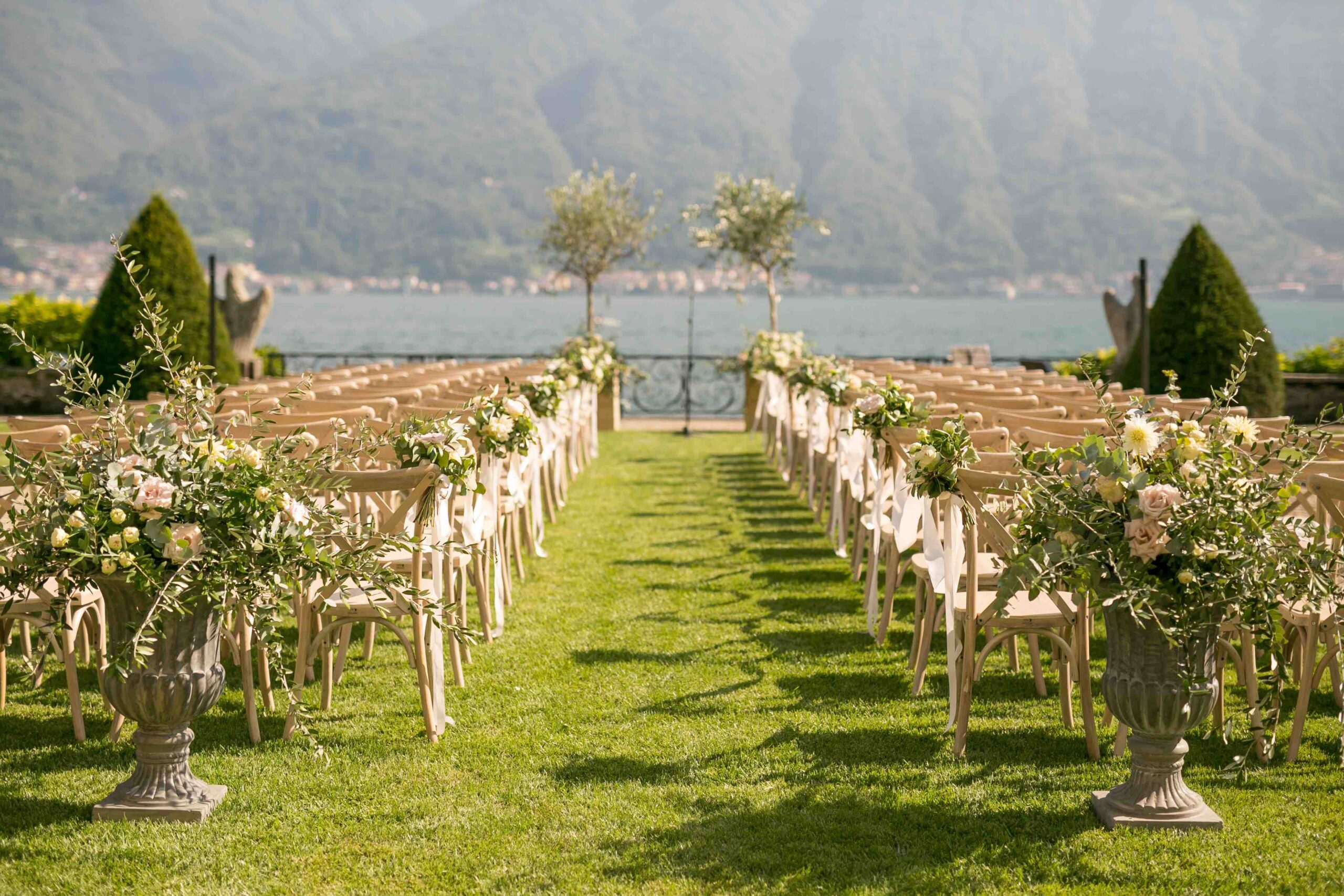
On Lake Como, these are the months when the water mirrors the mountains in perfect stillness. A property like Villa Balbiano, the lake’s largest private residence, comes alive when guests arrive by classic wooden boat and dinner unfolds on the terrace. Nearby, Villa Camilla trades scale for the intimacy of a five-acre English garden, ideal for a smaller September gathering.
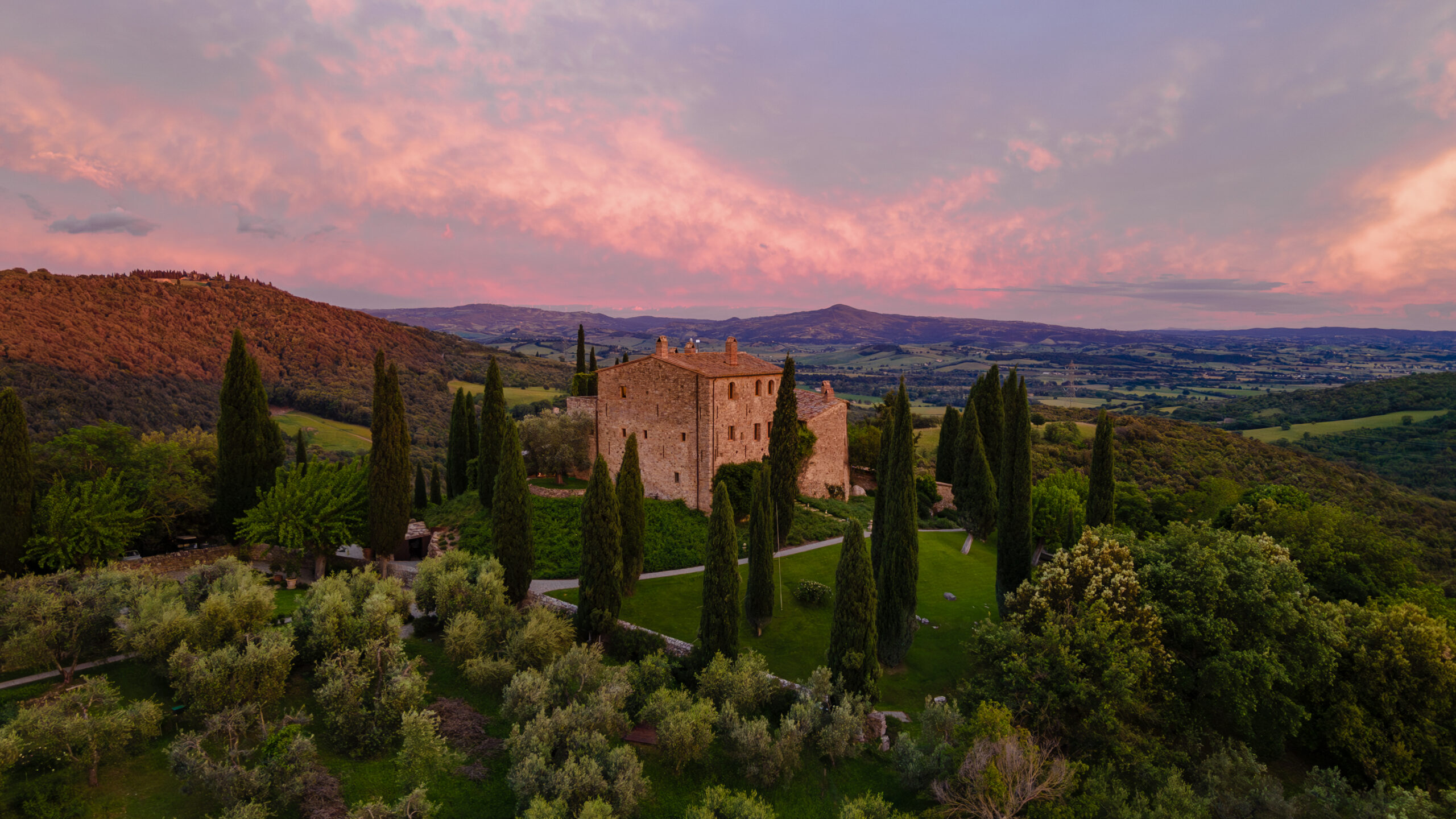
The Amalfi Coast tells a similar story. At Villa Oliviero, perched above Positano, June and September let couples exchange vows on the Red Terrace without August’s relentless sun. Meanwhile, Tuscany hits its stride at harvest. Castello di Vicarello, a storied Tuscan castle set among its own vineyards and olive groves, pairs the autumn grape harvest with golden hillside views that no summer afternoon can match.
France, Ireland, and the Wider Continent
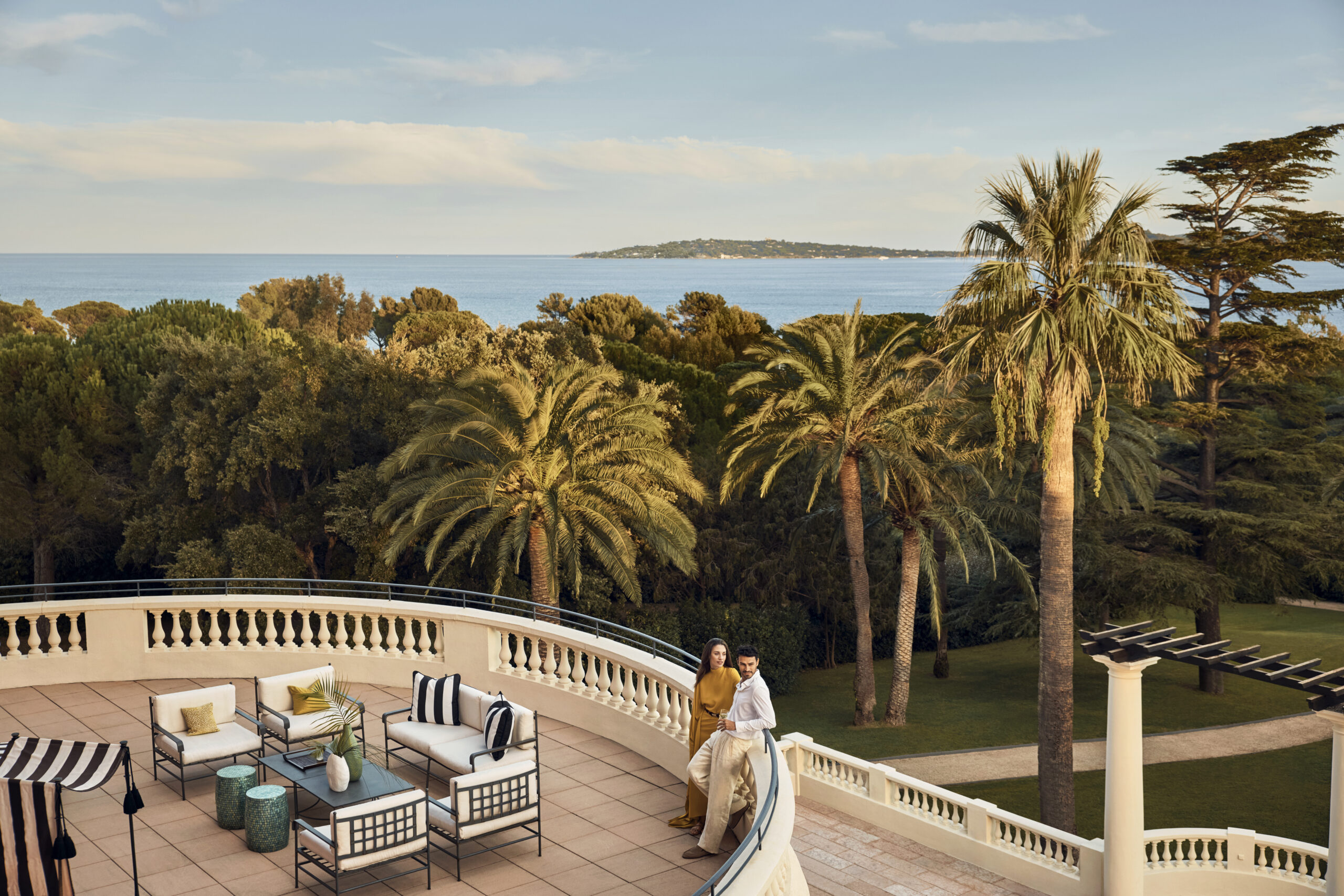
The French Riviera follows Italy’s rhythm. May, June, and September are the sweet spots. COMO Le Beauvallon, a Belle Époque palace on the Gulf of Saint-Tropez, frames the Mediterranean best when the light is clear and the heat has eased, a private boat waiting to carry guests across the bay to Saint-Tropez.
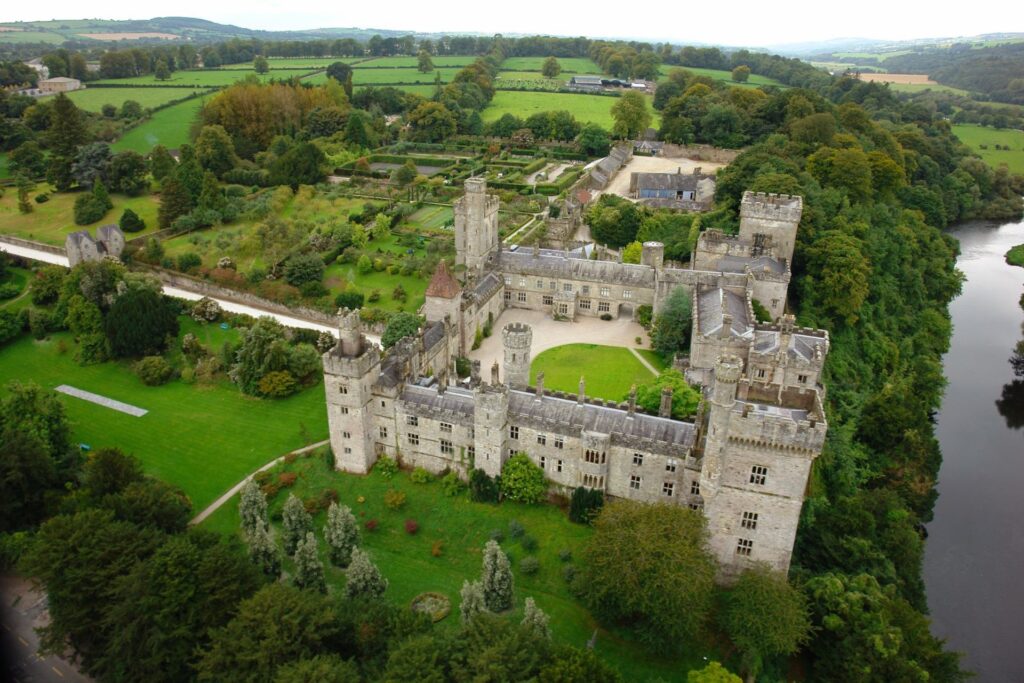
Ireland plays by different rules. Its finest stretch runs June through September, when the gardens are lush and the evenings stretch late. Hayfield Manor, a grand manor house set within two acres of walled gardens in Cork, is at its most romantic in high summer, when the blooms reach their peak and dinner drifts onto the terrace. However, couples drawn to atmosphere over guaranteed sun find spring and early autumn quietly magnetic. Warm interiors, candlelight, and a house built for gathering need no help from the weather.
Mexico and the Caribbean: Read the Dry Season
Tropical destinations reverse the European logic. Here, the question of when to book a destination wedding hinges on a single line on the map: the dry season versus the storm window.
Mexico’s Pacific and Caribbean Coasts
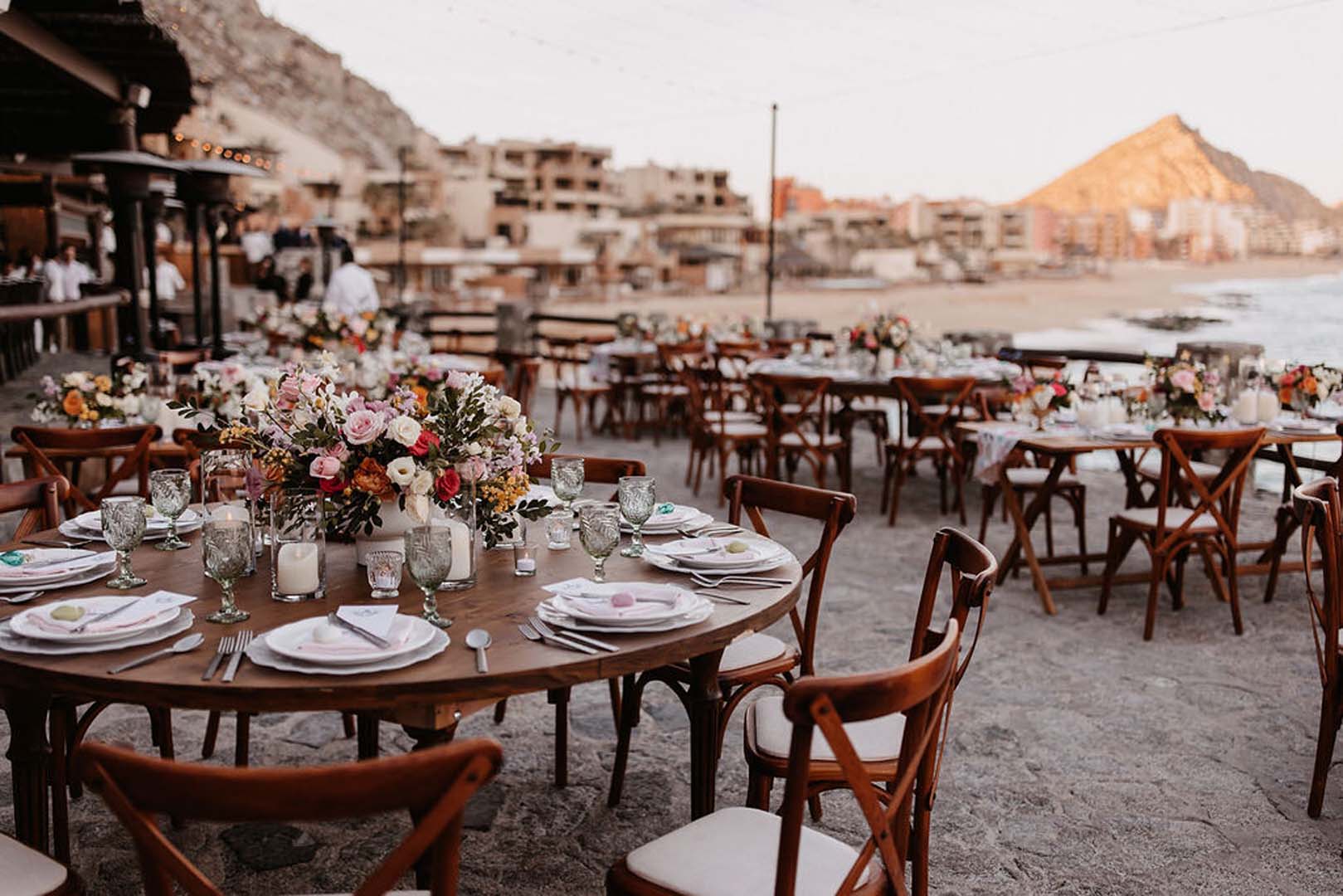
Mexico’s prime season runs from late November through April. These months bring blue skies, low humidity, and calm seas. Los Cabos shines in this window, when the desert meets the Sea of Cortez under cloudless light. Waldorf Astoria Los Cabos Pedregal, carved into a private cliffside, is built for exactly this kind of dry, dramatic season.
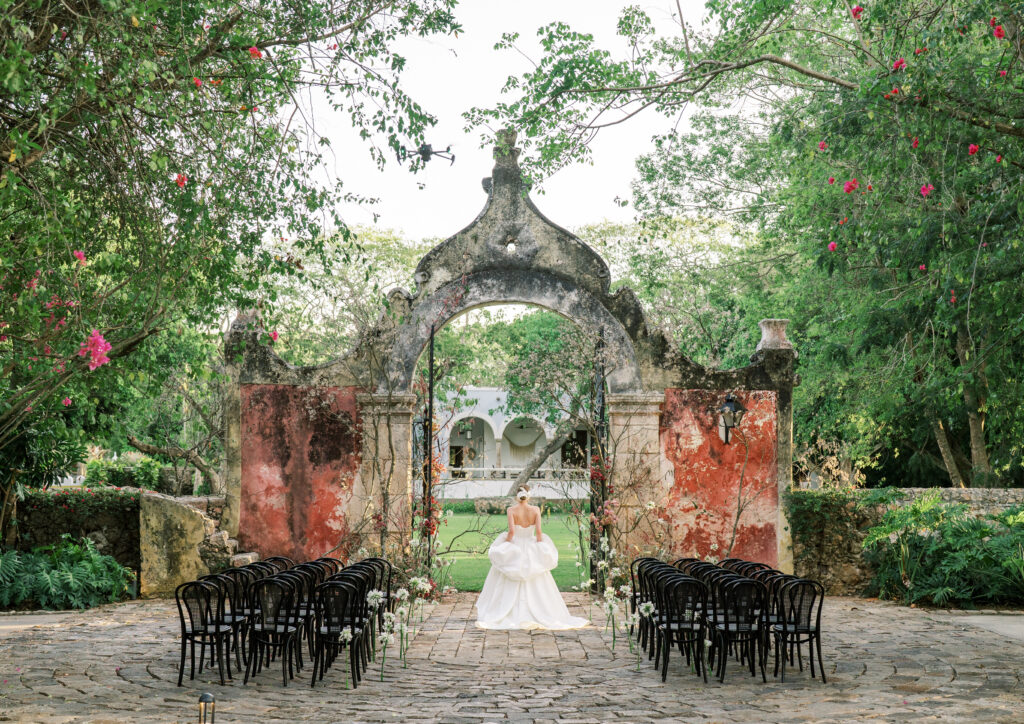
The Riviera Maya follows the same calendar. At Maroma, a Belmond Hotel, winter and early spring deliver the gentle Caribbean that postcards promise. For couples set on a summer date, the inland highlands offer an alternative. Hacienda el Santuario, in the colonial heart of San Miguel de Allende, stays temperate when the coast turns sultry.
The Caribbean Islands
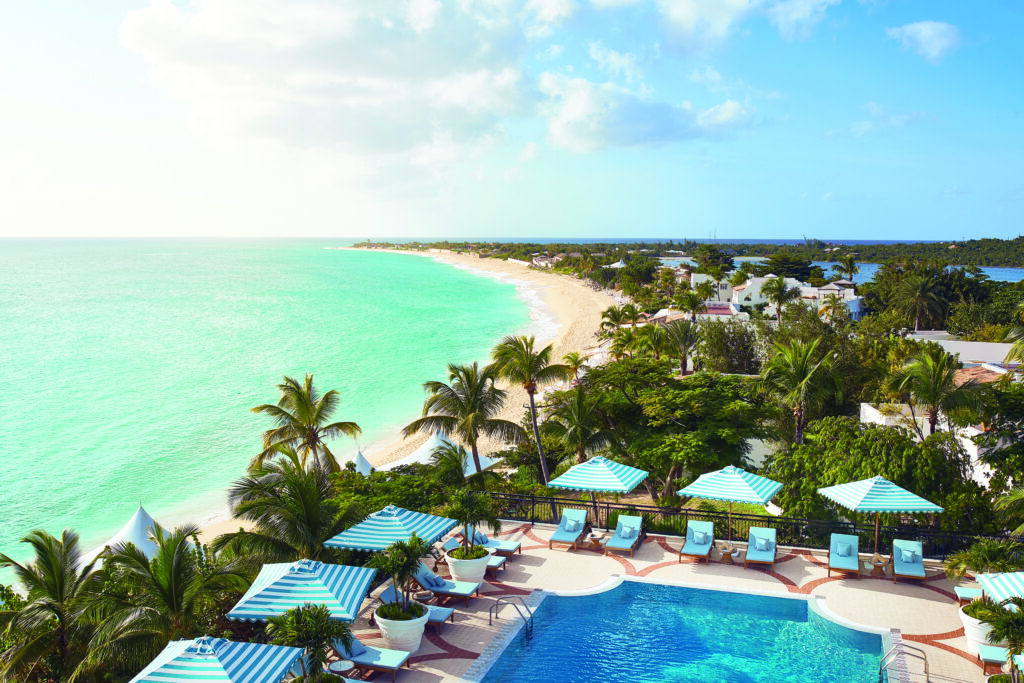
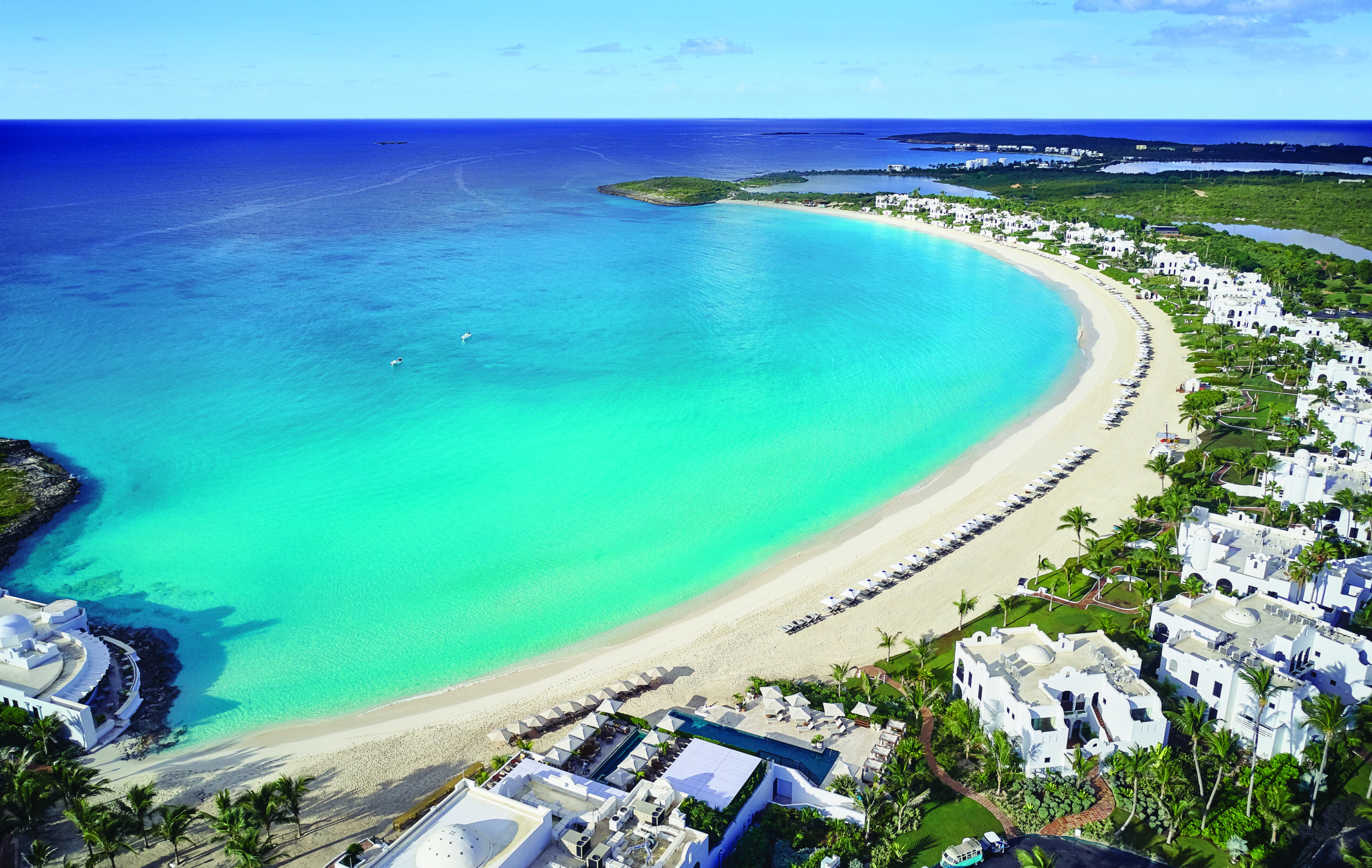
The Caribbean’s high season mirrors Mexico’s: December through April. Anguilla, St. Barts, and St. Martin are flawless in these months. Cap Juluca, a Belmond Hotel, and Malliouhana, both on Anguilla, reward winter and early-spring couples with calm water and reliable sun.
Hurricane season officially spans June through November, with the highest risk from August through October. That does not make summer impossible. In fact, late June and early July often deliver beautiful weather and meaningful savings. The key is informed risk and a planner who builds in contingencies. We always do.
Islands farther south offer additional latitude. Ladera Resort, perched on a ridge between St. Lucia’s iconic Pitons, and The St. Regis Cap Cana, in the Dominican Republic, both reward couples who plan around the calendar with care. Aruba sits entirely outside the main hurricane belt. As a result, Hilton Aruba becomes a compelling option for couples who want Caribbean sun with a lower weather risk in late summer.
North America: Where Year-Round Becomes the Point
Not every couple wants to chase the tropics. For many, the appeal lies in a destination that performs across all four seasons, each one offering something distinct.
Mountains, Cities, and Coastlines at Home
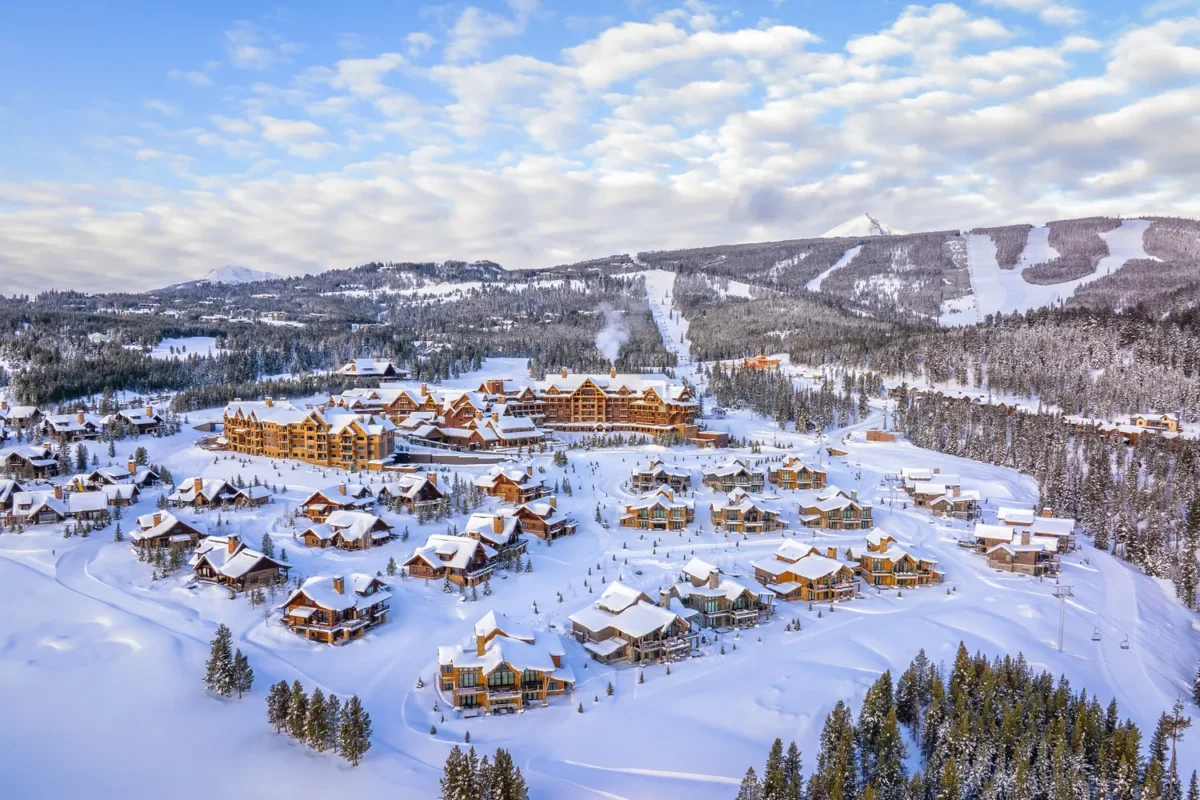
Winter has its own romance. Montage Big Sky in Montana turns snowfall into a spectacle, with celebrations set against the peaks from December through March. Conversely, summer and early autumn bring wildflower meadows and long alpine evenings to the same property.
Cities follow their own logic. Conrad, Washington, D.C., is at its finest in spring, when the cherry blossoms arrive, and again in the crisp clarity of autumn. On the water, Pier Sixty-Six in Fort Lauderdale offers a yachting-lifestyle backdrop that shines through Florida’s mild winter, precisely when northern couples crave the sun most. Therefore, a domestic destination can sidestep the long-haul timing puzzle altogether.
The Case for the Off-Season
Conventional wisdom treats the off-season as a compromise. We see it as a strategy. A celebration held just outside peak brings advantages that go beyond budget.
First, availability opens up. The villa you assumed was gone often has dates in the shoulder months. Second, the destination itself relaxes. Restaurants are easier, roads are quieter, and local teams have time to lavish on your event. Third, the savings can be substantial, sometimes redirected toward an extra night or an upgraded menu.
Consider a January wedding in the Maldives or a February gathering in Mexico’s highlands. Both fall within the dry season, yet both sit outside the December holiday crush. As a result, you capture the best weather without the peak premium. This is the kind of timing intelligence that separates a good plan from a brilliant one.
Midweek dates extend the same logic. A Thursday or Friday celebration often unlocks availability and rates that a Saturday cannot. For a multi-day destination wedding, where guests have already cleared their calendars to travel, the day of the week matters far less than it would at home. Therefore, couples willing to think beyond the Saturday default frequently win on both choice and cost.
The Common Timing Missteps
Even sophisticated couples stumble on a few predictable points. Recognizing them early is half the battle.
The first is booking the season before the venue. A couple falls for a region, sets a date, and only then discovers their dream property is unavailable. Reverse that order. Identify the venue and the date together, then build outward.
A second misstep is underestimating guest logistics. A flawless date means little if half your guests cannot find a flight. Consequently, we check air access and connection times before confirming any date. A third error is ignoring local events. A regatta, a festival, or a national holiday can fill every hotel for miles. We map these in advance, so your celebration never competes for rooms it should have had.
How Far Ahead Should You Book?
Here is the rule we live by. The more singular the property, the earlier you must commit.
For a full villa or estate buyout, 12 to 18 months is the realistic window for prime Saturdays during peak months. Exclusive-use homes such as Villa Balbiano or Castello di Vicarello hold only one celebration at a time. Therefore, demand concentrates on a handful of dates each year. When two couples want the same Saturday, the one who called first wins.
Resorts offer more flexibility, though the best of them still book a year out for high season. Smaller boutique properties, such as Kimpton Mas Olas in Todos Santos, can sometimes accommodate a shorter runway. Even so, earlier is always safer. Securing the date is only the first step. Flights, room blocks, and your guests’ own calendars all benefit from a long lead time.
If your heart is set on a specific month and a specific place, treat eighteen months out as the moment to act. Knowing when to book a destination wedding means recognizing that the calendar moves in one direction only.
Let the Season Work in Your Favor
The finest destination weddings are not lucky. They are timed. A couple who understands the interplay of weather and availability holds every advantage: the right light, the right setting, and the right venue secured before anyone else thinks to ask.
That is the expertise Wedaways Travel provides to your planner. We know which week in September the Como light turns golden. We know when Anguilla’s water goes glass-calm. Moreover, we know how far ahead each property commits, because we book them year after year.
Wedaways Travel connects couples with the world’s finest wedding and honeymoon destinations. Ready to find the perfect season and secure your date? Contact us!